



Spotlight on Safety: Training for BAC Custodial Teams
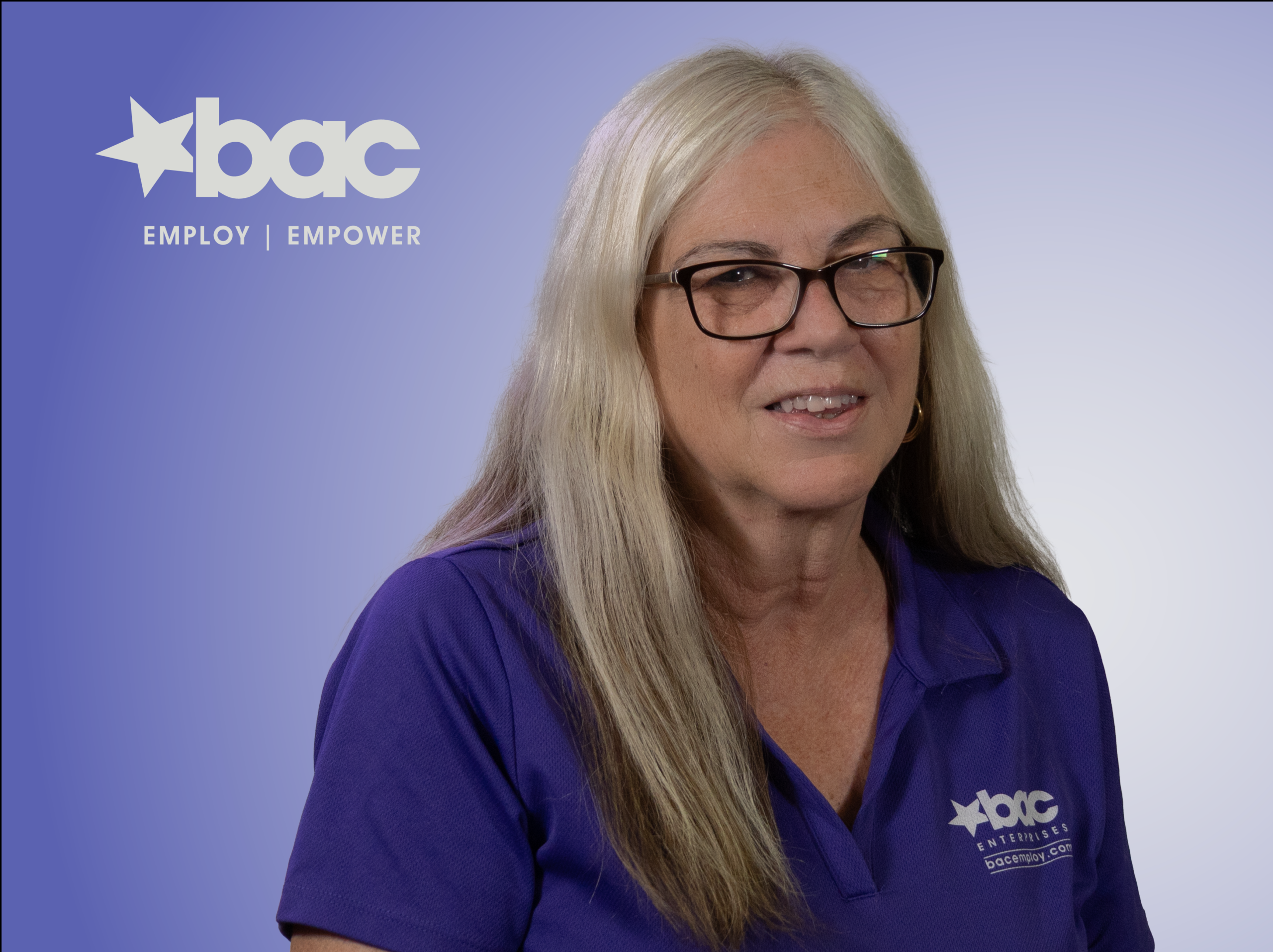
Sandy Wigley | Operations Safety Manager | BAC
BAC is committed to delivering excellence in custodial and facility support services across government and commercial sites nationwide. Central to this mission is a robust, organization-wide safety culture supported by comprehensive training, regulatory compliance, and continuous improvement.
Custodial professionals play a critical role in maintaining healthy, efficient, and mission-ready environments for employees, visitors, and federal partners. Their work involves handling chemicals, equipment, and situations that require strict adherence to safety standards. BAC’s training programs are engineered to exceed regulatory requirements while equipping team members with the knowledge, skills, and awareness needed to prevent workplace injuries, protect team wellbeing, and deliver high-quality results.
BAC’s custodial teams operate across more than 700 federal buildings nationwide, making standardized safety practices essential. Through rigorous onboarding, specialized coursework, OSHA-based training, and continuous reinforcement, BAC ensures its employees uphold the highest safety standards in the industry.
Regulatory Foundation: OSHA Compliance and Curriculum
BAC’s safety training aligns with Occupational Safety and Health Administration (OSHA) regulations to ensure all custodial team members understand their responsibilities for maintaining a safe workplace. This includes mandatory courses and safety modules tailored to the environments in which our teams serve.
All BAC Site Leadership members are required to complete the OSHA 30-Hour General Industry or Construction Training programs, demonstrating an elevated competency in hazard recognition, risk reduction, and regulatory compliance. This level of certification distinguishes BAC from competitors and reinforces our commitment to operational excellence.
OSHA-aligned training includes:
- Hazard Communication (HAZCOM)
- Personal Protective Equipment (PPE)
- Lockout/Tagout (LOTO) Awareness
- Electrical Safety
- Bloodborne Pathogens
- OSHA Walking/Working Surfaces (Slips, Trips, and Falls)
- Hazardous Materials Safety
- Chemical Safety and Material Handling
These trainings form the backbone of BAC’s compliance posture and create a standardized baseline of safety knowledge for all custodial staff.
Comprehensive Safety Training Curriculum
Beyond OSHA requirements, BAC provides targeted, role-specific training that prepares custodial teams to excel in environments that may include federal buildings, industrial areas, laboratories, child development centers, health centers, high-traffic commercial sites, and mission-critical government facilities.
BAC’s custodial training curriculum includes:
- Personal Protective Equipment (PPE): Instruction on proper selection, use, and maintenance of PPE for various custodial tasks, ensuring protection against chemical exposure, airborne hazards, and physical injury.
- Bloodborne Pathogens: Training on safe handling of bodily fluids, proper sanitation procedures, and exposure response to protect employees from occupational health risks.
- Chemical Safety: Guidance on safe dilution, storage, transport, and application of cleaning agents, disinfectants, and industrial chemicals.
- Electrical Safety: Awareness of hazards associated with electrical equipment, outlets, machines, and wet environments.
- Eye Safety: Best practices to protect vision when using chemicals, equipment, or particulate-generating tools.
- Proper Lifting Techniques: Instruction on ergonomic practices to minimize back injuries and musculoskeletal strain.
- Driver Safety: Training for employees who operate BAC fleet vehicles or drive between customer locations.
- Ladder Safety: Best practices for inspecting, positioning, and using ladders safely in custodial operations.
Each module is reinforced with job-specific demonstrations, documented assessments, and on-site coaching by supervisors and safety specialists.
Embedding a Safety Culture: “I Own Safety. Every Site. Every Service. Every Day.”
Safety is not a one-time training, it’s a cultural expectation embedded into every aspect of BAC operations. The agency’s organization-wide safety campaign, “I Own Safety. Every Site. Every Service. Every Day.”, reinforces the belief that each employee plays a vital role in maintaining safe, high-quality service delivery.
Key mechanisms supporting this safety culture include:
- Safety Ambassador Engagement: Employee Safety Ambassadors support site-level safety engagement by facilitating or reinforcing monthly safety topics in coordination with site leadership.
- Bi-Weekly Digital Safety Messaging: BAC publishes safety tips and reminders on digital displays across work sites and employee common areas. These brief, scenario-based messages provide continuing education that reinforces OSHA requirements, seasonal hazards, and best practices.
- Employee Portal Safety Communications: Through our Human Resources Information Management System (HRM) and other internal platforms, employees receive ongoing safety updates, micro-trainings, and required acknowledgements to ensure message retention.
- Data-Driven Performance Monitoring Safety Metrics & Dashboards: BAC monitors safety performance indicators such as incident trends, training completion, and inspection results to guide decision-making.
- Trend Analysis: Data is reviewed to identify patterns, prioritize corrective actions, and measure the effectiveness of safety initiatives.
- Inspections, Observations & Hazard Identification: Routine Safety Inspections Regular site-level safety inspections and observations identify hazards, reinforce safe behaviors, and support corrective action tracking. Employee Involvement Employees and supervisors participate in identifying unsafe conditions and recommending improvements.
- Quarterly Newsletter Safety Corner: Each edition of BAC’s employee newsletter includes a dedicated Safety Corner, highlighting trends, recent incident insights, tips, and recognition of teams demonstrating exemplary adherence to safety standards.
These touchpoints ensure safety remains visible, frequent, and actionable.

Clayton Gauge | BAC Employee Safety Ambasador
Cape Canaveral Space Force Station
In describing this culture, Sandy Wigley, BAC’s Operations Safety Manager, known across the organization as “Safety Sandy”, shares: “Safety is not an add-on to the job. It is the job. Our custodial teams work with purpose and pride, and my role is to ensure they have the tools, training, and confidence to go home safely every single day. Safety ownership belongs to all of us.”
BAC’s safety training infrastructure delivers measurable benefits for employees, customers, and the organization.
- Enhanced Employee Competency: Well-trained employees are more confident, productive, and prepared to navigate potential hazards.
- Reduced Incidents and Claims: Consistent compliance reduces workplace injuries, workers’ compensation claims, and lost time.
- Higher Customer Satisfaction and Contract Performance: Federal and commercial customers rely on BAC to deliver uninterrupted, safe operations. Strong safety performance is directly tied to contract quality ratings and customer trust.
- Strengthened Talent Development: OSHA 30 certifications and continuous training support career progression and broaden employment opportunities for individuals with disabilities, aligning with BAC’s mission to empower and employ.
Safety is a foundational pillar of BAC’s custodial operations. Through OSHA-aligned coursework, targeted custodial training, and a deeply embedded safety culture, BAC equips its teams to work confidently and safely across diverse facility types.
Our commitment is clear: every employee at every location has the knowledge, tools, and mindset necessary to “own safety” every single day. This approach protects our workforce, strengthens our partnerships, and ensures the highest standards of service for the federal government and the communities we serve.